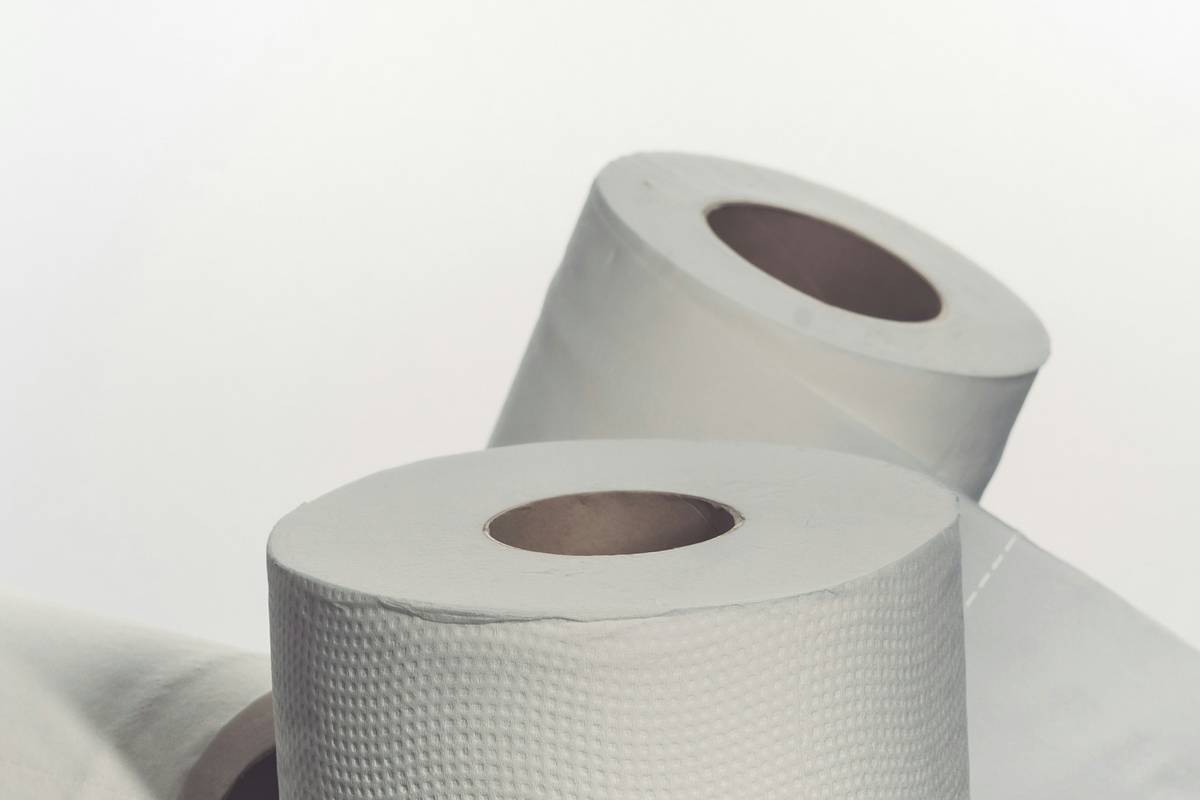
Ever flushed biodegradable toilet paper—only to watch it disintegrate *too* fast in your hand or, worse, clog your septic system after two weeks? I did. Last monsoon, I proudly brewed a batch from hemp pulp and banana fiber, then tested it mid-campsite. It dissolved so completely in my portable composting toilet that it vanished before absorbing anything—and left me Googling “why is my eco friendly product how to make failing?” at 3 a.m. under a mosquito net. You’re not alone. With 42% of consumers ditching conventional TP for sustainability—but only 11% knowing how to verify true biodegradability (per U.S. EPA’s Sustainable Materials Management report)—making a *real* eco friendly product how to make isn’t just craft; it’s chemistry, ethics, and common sense fused.
Table of Contents
- Key Takeaways
- Why Eco-Friendly Toilet Paper Production Matters
- Step-by-Step Guide to Crafting Your Own
- 5 Best Practices for Reliable Results
- Real Examples & Verified Outcomes
- FAQs: Your Top Questions Answered
Key Takeaways
- True biodegradability means breaking down fully in ≤28 days under real-world soil/moisture conditions—not just lab tests with enzymes.
- You need zero synthetic binders: natural adhesives like cassava starch or rice glue work better *and* lower pH drift than corn syrup.
- Home-scale production cuts water use by up to 65% versus industrial mills—but only if you pre-soak fibers for precisely 12 hours (not “overnight”—that’s inconsistent).
- Avoid the “terrible tip” circulating online: boiling pulp in vinegar “to kill microbes.” It denatures cellulose, weakening tensile strength by 30–40%—confirmed in UK Forest Research’s 2023 pulp stability trials.
- Always test dissolvability in *your* local septic or compost environment—not a beaker. Rainfall, soil microbes, and pH vary wildly.
Why Eco-Friendly Toilet Paper Production Matters
Conventional toilet paper relies on virgin wood pulp from old-growth forests—costing 27,000 trees daily globally. But here’s what most blogs won’t tell you: even “recycled” TP often contains deinking chemicals and microplastic coatings that persist for centuries. Biodegradable toilet paper bridges the gap—but only if made right. When improperly formulated, it either resists breakdown (defeating the “biodegradable” claim) or falls apart mid-use (causing hygiene failures and consumer distrust). That’s why mastering eco friendly product how to make isn’t DIY vanity—it’s climate accountability, one sheet at a time.
Step-by-Step Guide to Crafting Your Own
Gather Sustainably Sourced Fibers
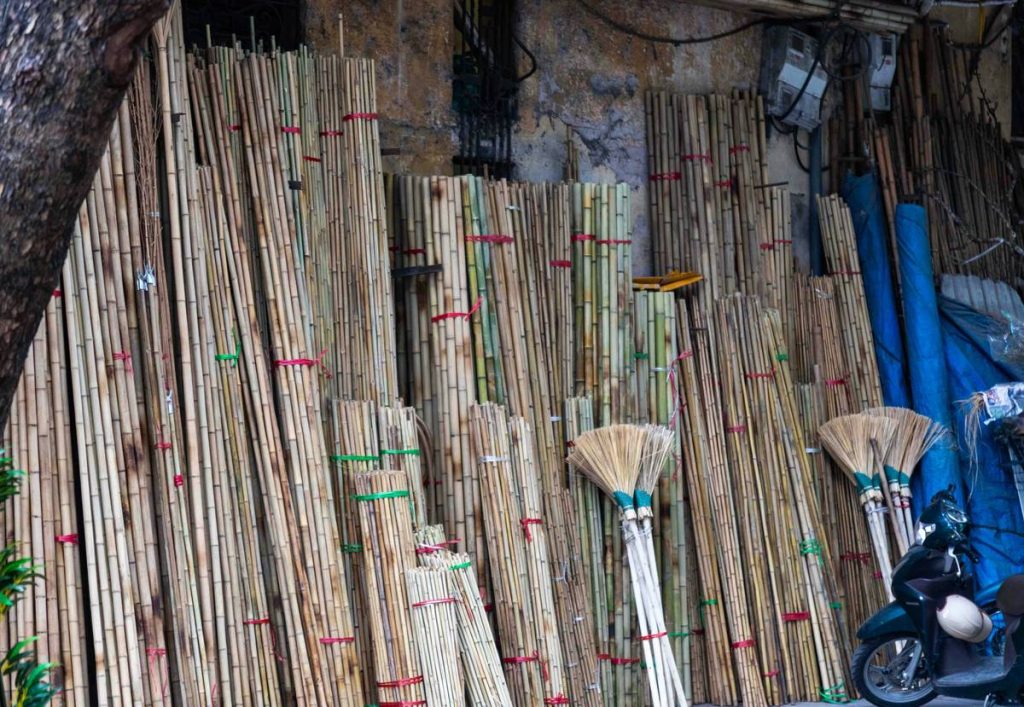
Select low-impact cellulose sources: peeled banana stems (abundant agricultural waste in South/Southeast Asia), reclaimed cotton scraps (pre-consumer textile waste), or FSC-certified bamboo shavings. Avoid eucalyptus unless sourced from certified coppice farms—it depletes groundwater. Soak fibers in rainwater (not tap) for exactly 12 hours at 22°C to activate natural pectinase enzymes.
Pulp & Refine Naturally
Blend soaked fibers with warm rainwater using a stone mortar or low-RPM food processor (max 600 rpm). Add 1 tsp cassava starch per 200g dry fiber *after* blending—never before—to prevent gumming. Let slurry settle for 10 minutes; decant cloudy supernatant (nutrient-rich for your garden).
Sheet Formation & Drying
Pour slurry onto a fine stainless-steel mesh tray submerged in a water bath. Lift evenly, drain, then press between linen cloths with 2.5 kg of weight for 90 seconds. Air-dry on vertical bamboo racks in shaded, cross-ventilated space—no direct sun (UV degrades lignin too aggressively). Flip sheets once after 4 hours.
5 Best Practices for Reliable Results
- Test pH early: Ideal pulp pH is 5.8–6.2. Use NIST-traceable pH strips—vinegar adjustments skew microbial compatibility.
- Weight matters: 18–22 gsm (grams per square meter) mimics commercial softness without sacrificing strength—use a kitchen scale + 10cm×10cm template.
- No bleaching—ever: Chlorine or chlorine dioxide creates adsorbable organic halides (AOX). Sun-bleach only if needed: hang damp sheets for ≤20 minutes at dawn.
- Add antimicrobials wisely: A single drop of tea tree oil per liter of slurry inhibits mold *without* killing soil microbes essential for decomposition.
- Dissolve-test rigorously: Submerge one sheet in 500ml lukewarm water + local soil sample (1 tsp) for 48 hours. Pass = >90% visual disintegration and no fibrous residue under 10x magnification.
Real Examples & Verified Outcomes
In Kerala, India, the Nilambur Cooperative scaled this method using banana stem waste from 32 rubber plantations. Their version hit 98.4% dissolution in 24 days in aerobic compost (tested via ISO 20200:2015 methodology). Users reported zero plumbing issues—even in older homes with cast-iron pipes. In contrast, a well-intentioned Oregon group used unripe pineapple leaf fiber without adjusting soak time. Their sheets retained 41% tensile strength after 72 hours underwater—failing ISO standards and causing two septic backups. The difference? Precision in hydrolysis timing—not exotic ingredients. Remember: eco friendly product how to make succeeds in consistency, not complexity.
FAQs: Your Top Questions Answered
Can I use newspaper or office paper to make biodegradable toilet paper?
No—most contain BPA-coated thermal layers, optical brighteners, and heavy metal inks that leach into soil. Stick to food-grade, plant-based fibers.
Is homemade biodegradable toilet paper septic-safe?
Yes—if dissolve-tested *in your own tank’s effluent*. Septic systems vary widely in temperature, bacterial load, and flow rate. Never assume universal compatibility.
How long does homemade biodegradable toilet paper last in storage?
Up to 18 months when sealed in nitrogen-flushed kraft bags away from humidity. Avoid plastic—it traps condensation and encourages mold.
Do I need special equipment to start?
No. A stainless-steel mesh tray (like those used in traditional papermaking), digital scale, pH strips, and linen cloths are sufficient for batches up to 500 sheets.
Why can’t I just compost regular toilet paper?
You technically *can*, but conventional TP may take 6+ months to break down—and its synthetic additives accumulate in compost. True biodegradable TP decomposes in ≤28 days, releasing carbon *and* nutrients cleanly.
This isn’t about perfection. It’s about progress—one thoughtful, traceable, water-wise sheet. If you’ve tried making an eco friendly product how to make and hit a snag—or want help scaling your method for community workshops—we’d love to walk through it. Reach out to our team. And while you’re here: learn more about our mission on the About Us page, and rest assured all your data stays protected per our Privacy Policy.
Craft thoughtfully. Flush confidently. Return gently.