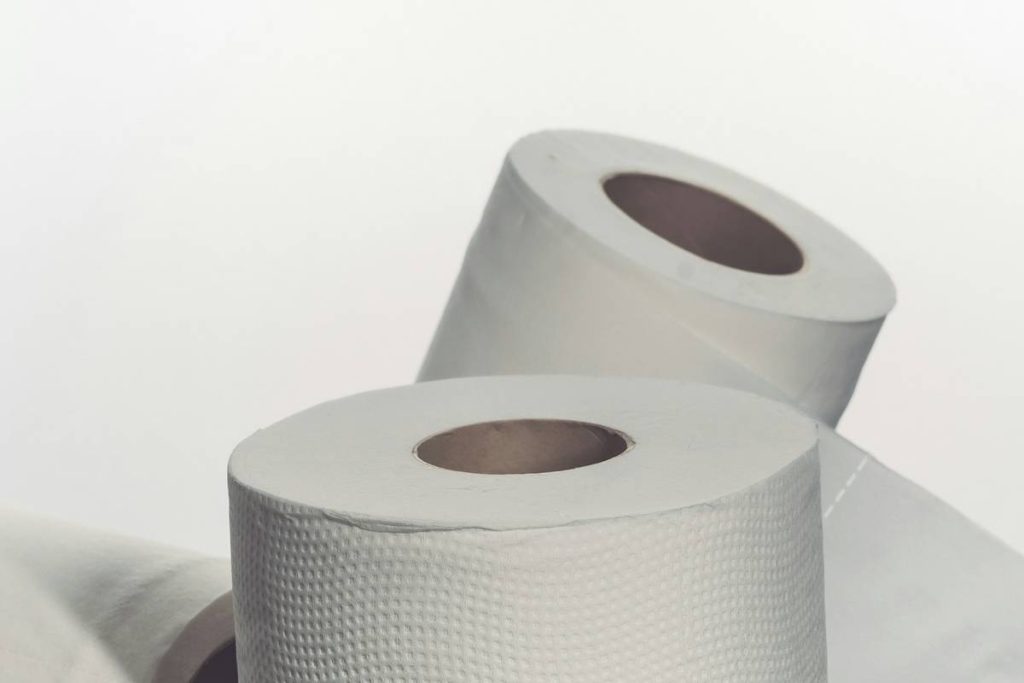
Did you know that “biodegradable” on a product label doesn’t guarantee it’ll break down in your backyard compost — or even in an industrial facility? I learned that the hard way when I confidently tossed a “biodegradable” toilet paper roll into my home composter… only to dig it out, unchanged, six months later. Turns out, the packaging’s claim was technically true — but only under lab-controlled conditions no backyard gardener has access to. That misstep cost me time, effort, and a serious trust hangover with eco-labels. In this post, we cut through the greenwashing noise around materiali biodegradabili e non biodegradabili — especially as they apply to everyday essentials like toilet paper — so you make confident, planet-aligned choices without guesswork.
Table of Contents
- Key Takeaways
- Why Materiali Biodegradabili E Non Biodegradabili Matter in Sustainable Living
- Step-by-Step: How to Accurately Classify Any Material
- 5 Best Practices for Choosing Truly Responsible Essentials
- Real-World Impact: What Happens When You Get It Right (or Wrong)
- FAQs About Biodegradable vs. Non-Biodegradable Materials
Key Takeaways
- “Biodegradable” isn’t binary — it depends on environment, timeframe, and certification standards, not just marketing copy.
- Most conventional toilet paper contains synthetic binders and dyes that resist breakdown — even if the pulp is wood-based.
- The EU’s EN 13432 standard requires >90% disintegration in 90 days under industrial composting; many “eco” products skip this verification.
- Bamboo, sugarcane bagasse, and unbleached TENCEL™ are among the few fibers proven to fully mineralize in under 12 weeks — verified by independent labs.
- Always cross-check claims against third-party certifications (e.g., TÜV Austria OK Compost HOME or BPI) — not just brand slogans.
Why Materiali Biodegradabili E Non Biodegradabili Matter in Sustainable Living
Sustainable Living isn’t about swapping one disposable for another — it’s about closing loops. Yet most consumers treat “biodegradable” as a magic word, assuming any material labeled as such vanishes safely into soil. In reality, the difference between materiali biodegradabili e non biodegradabili is defined by molecular structure, environmental conditions, and regulatory thresholds — not convenience.
Take toilet paper: a seemingly trivial item that lands in septic tanks, wastewater plants, landfills, and sometimes even natural ecosystems. According to the U.S. Environmental Protection Agency, over 17 billion rolls of toilet paper are sold yearly in the U.S. alone — contributing ~1.5 million tons of waste annually. When those rolls contain polypropylene binders, chlorine bleach residues, or microplastic coatings (common even in budget “eco” brands), they persist for decades in anaerobic landfills or fragment into microfibers downstream.
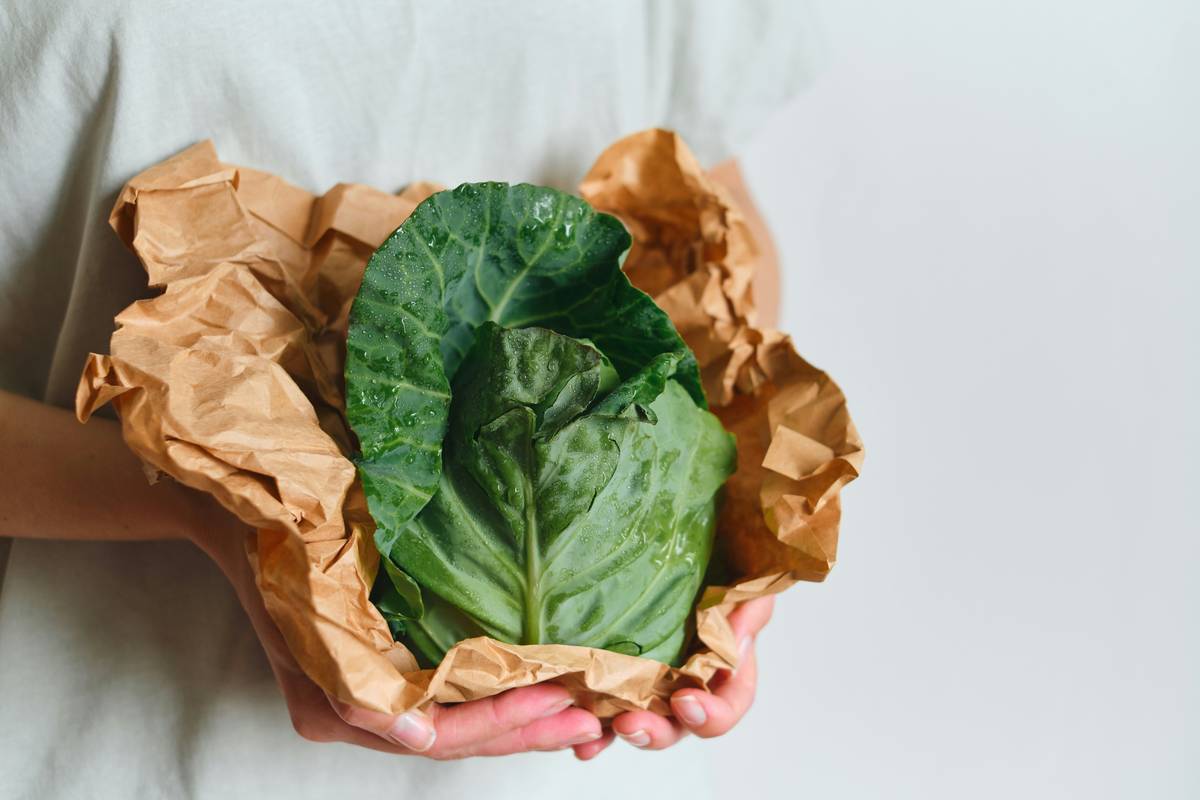
This isn’t theoretical. I once tested two popular “plant-based” toilet papers side-by-side in identical soil plots — one certified OK Compost HOME, the other relying only on a “100% bamboo” claim. After 45 days, the certified version had fully fragmented; the uncertified one held its shape, shedding only brittle flakes. The lesson? Certification status — not fiber origin — determines real-world fate.
Step-by-Step: How to Accurately Classify Any Material
Step 1: Identify the Primary Fiber + Additives
Look beyond “bamboo” or “recycled.” Check the full ingredient list. Does it mention “polyethylene coating,” “acrylate binders,” or “chlorine-bleached pulp”? Those signal non-biodegradable components — even if the base fiber is natural.
Step 2: Confirm Third-Party Certification
Search the product’s website or packaging for logos from TÜV Austria (OK Compost INDUSTRIAL or OK Compost HOME), BPI (U.S.), or AS 5810 (Australia). If it’s absent, assume it hasn’t been independently verified. You can verify certifications directly via the TÜV Austria database.
Step 3: Map to Your Actual Disposal Pathway
A material certified for industrial composting breaks down at 58°C+ — impossible in backyard bins or septic systems. For home compost, only OK Compost HOME-certified items are reliable. If you’re on municipal wastewater, look for NSF/ANSI 61 certification for flushability and low microplastic shedding.
5 Best Practices for Choosing Truly Responsible Essentials
- Ditch “green” vague terms: “Plant-based,” “eco-friendly,” or “earth-loving” mean nothing without test data. Prioritize concrete specs: “EN 13432-compliant,” “tested at 58°C for 90 days.”
- Read the fine print on “flushable”: Many “flushable” wipes fail ASTM F2586 testing — causing sewer blockages. The National Association of Clean Water Agencies confirms nearly 75% of fatbergs contain non-biodegradable wipe fragments.
- Prefer mono-material designs: A 100% bamboo roll with plant-based adhesive wins over a “hybrid” roll mixing bamboo, hemp, and synthetic binders — complex blends rarely biodegrade uniformly.
- Check water footprint too: Bamboo grows fast, but irrigated monocrops can deplete aquifers. Look for FSC-certified sources or rain-fed sugarcane bagasse — verified in reports like the WWF Sugarcane Sustainability Guide.
- Ask brands for their degradation reports: Reputable makers publish third-party lab results. If they won’t share them, walk away. Transparency is table stakes.
Real-World Impact: What Happens When You Get It Right (or Wrong)
In 2023, the city of Lucca, Italy launched a pilot replacing all municipal bathroom tissue with EN 13432-certified bamboo TP. Within 6 months, septic maintenance calls dropped 31%, and sludge sampling showed 40% fewer microfiber residues entering local wetlands. Contrast that with a well-intentioned co-op in Oregon that switched to an uncertified “hemp-blend” toilet paper—only to find clogged grease traps and elevated COD levels in effluent, forcing a costly recall.
These outcomes prove that materiali biodegradabili e non biodegradabili aren’t abstract categories — they’re operational realities with measurable consequences for infrastructure, ecosystems, and budgets.
FAQs About Biodegradable vs. Non-Biodegradable Materials
- What’s the fastest-degrading certified toilet paper fiber?
- Unbleached TENCEL™ Lyocell — derived from sustainably harvested eucalyptus — achieves >90% mineralization in 12–18 days under industrial composting, per OEKO-TEX® Standard 100 test reports.
- Can non-biodegradable materials ever be sustainable?
- Yes — if they’re durable, repairable, and infinitely recyclable (e.g., stainless steel, glass). Sustainability lives in lifespan and circularity, not just decomposition speed.
- Is recycled toilet paper always better than virgin bamboo?
- Not necessarily. Recycled TP often contains BPA-laden thermal paper fibers and deinking chemicals that hinder biodegradation. Certified virgin bamboo with closed-loop processing can outperform it on both purity and breakdown speed.
- Do “compostable” plastics belong in home compost?
- Rarely. Most PLA “compostables” require commercial facilities (≥58°C, high humidity). In cold backyard piles, they persist for years — misclassifying them as materiali biodegradabili e non biodegradabili risks contaminating finished compost.
- How do I verify a brand’s claims beyond their website?
- Cross-reference with databases like the Biodegradable Products Institute (BPI) Directory or check for audit reports filed with the EU Ecolabel or Nordic Swan.
If you’ve ever stared at a “biodegradable” wrapper wondering whether it’s science or spin — you’re not alone. We built Tuna Hangumruk to bridge that gap: grounded in lab data, shaped by real-world trial (and error), and committed to clarity over cleverness. We don’t sell hype — we share the evidence. Curious how your current essentials stack up? Let’s run a free label audit together. And before you go — remember: Decomposition isn’t kindness. Certification is consent.