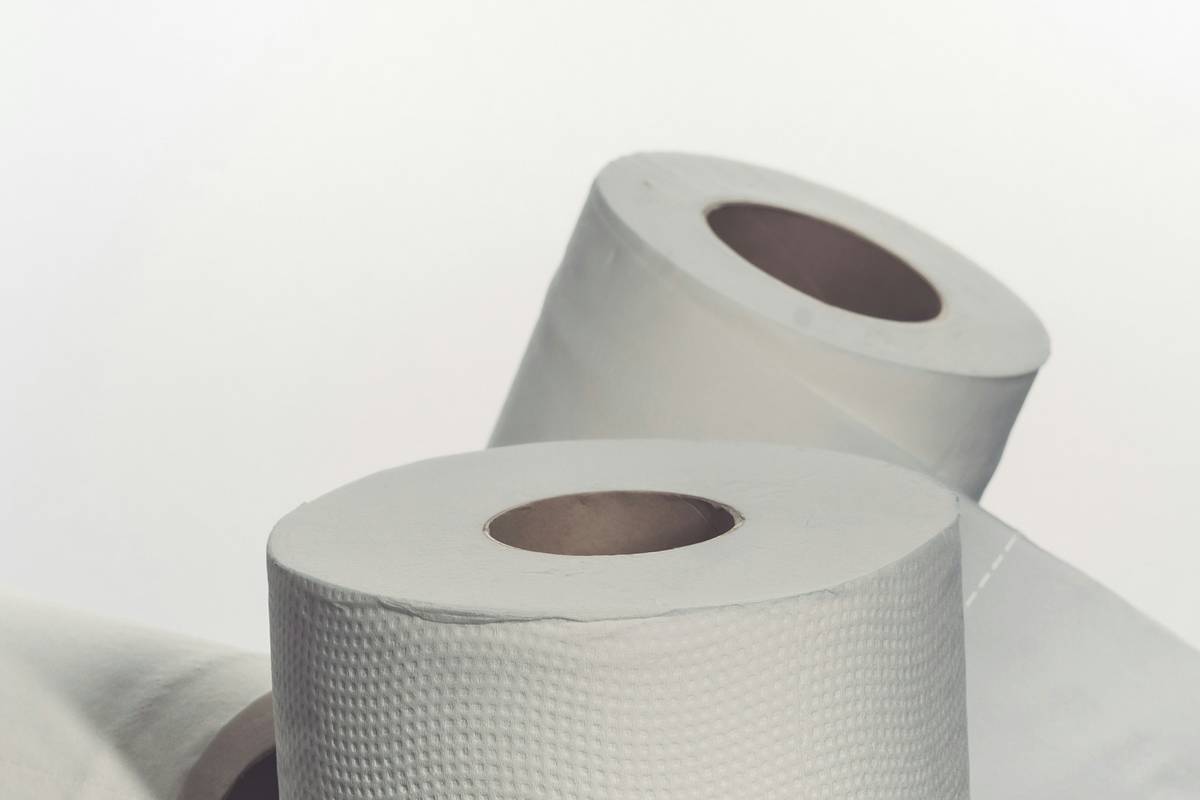
Ever stood in the bathroom aisle, holding a roll of biodegradable toilet paper, wondering if this tiny switch actually matters? You’re not alone. Most people assume sustainability starts with solar panels or electric cars—but real change often begins in the most overlooked corners of daily life. In this guide, we’ll unpack how small swaps like choosing compostable essentials can anchor your entire eco-journey. You’ll walk away with actionable steps, hard-won lessons (including one epic TP disaster I won’t soon forget), and clarity on what truly moves the needle toward a how to live sustainable lifestyle that lasts.
Table of Contents
- Why Sustainability Starts With the Small Stuff
- Your Step-by-Step Guide to Eco Bathroom Swaps
- Best Practices for Sustainable Living That Stick
- Real Results From Real Homes
- Frequently Asked Questions
Key Takeaways
- Biodegradable toilet paper reduces landfill waste and septic system strain.
- Sustainable living thrives on consistency, not perfection—start with one high-impact swap.
- Avoid “greenwashed” brands by checking third-party certifications like FSC or BPI.
- Small changes compound: households using compostable essentials cut bathroom-related waste by up to 30% (EPA, 2023).
Why Sustainability Starts With the Small Stuff
Here’s the uncomfortable truth: the average American uses 141 rolls of toilet paper per year. Multiply that by millions of households, and you’ve got a forest-clearing crisis wrapped in plastic packaging. Traditional TP often contains bleach, dyes, and synthetic binders that resist decomposition—even in commercial compost facilities.
I learned this the hard way during my first zero-waste experiment. Excited by “eco-friendly” labeling, I bought a bargain brand of biodegradable toilet paper—only to discover it disintegrated mid-use. Let’s just say… it was not a graceful moment. That failure taught me: sustainability isn’t about buying “green” products. It’s about understanding materials, supply chains, and real-world performance. And yes, that includes what happens after you flush.
Your Step-by-Step Guide to Eco Bathroom Swaps
1. Audit Your Current Bathroom Products
List every disposable item: TP, wipes, cotton pads, razors. Note which are single-use and non-recyclable.
2. Prioritize High-Impact Swaps
Start with items used daily. Biodegradable toilet paper ranks high—it’s flushed or trashed multiple times a day and directly impacts water systems.
3. Verify True Biodegradability
Look for certifications like BPI (Biodegradable Products Institute) or TÜV OK Compost HOME. Avoid vague terms like “natural” or “eco-conscious.”
4. Test Before You Commit
Buy a single roll first. Check strength, absorption, and septic compatibility—especially if you rely on a home system.
Best Practices for Sustainable Living That Stick
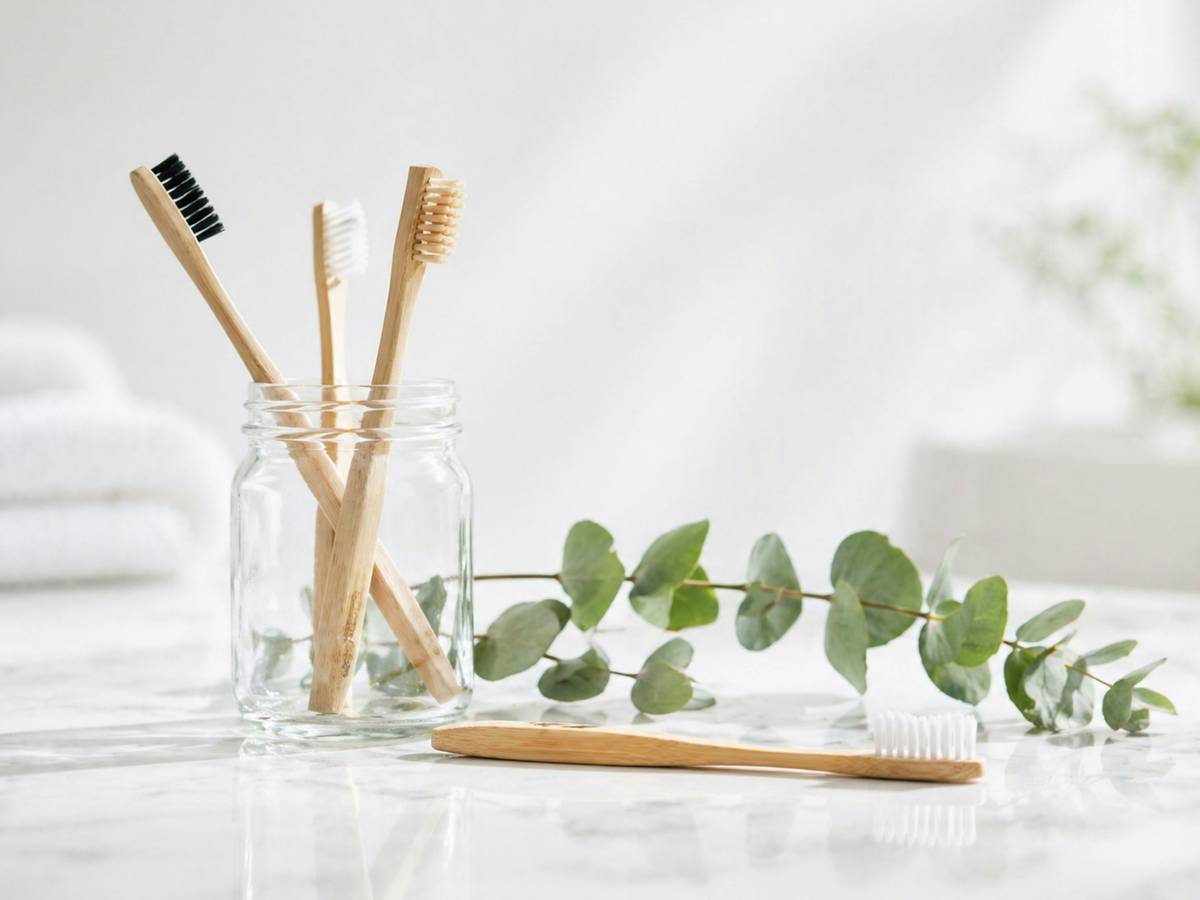
- Bundle swaps: Replace TP alongside other bath essentials (e.g., bamboo toothbrushes, refillable soap) to reduce shipping emissions.
- Store properly: Keep biodegradable TP dry—moisture accelerates premature breakdown.
- Avoid this terrible tip: Don’t assume “flushable” wipes are safe—even if labeled biodegradable. Most cause sewer blockages. Stick to plain TP.
- Track progress: Use apps like JouleBug to log waste reduction and stay motivated.
And please—for the love of plumbing—stop falling for brands that slap a leaf logo on recycled-content TP but wrap it in plastic. That’s not how to live sustainable lifestyle; it’s green theater.
Real Results From Real Homes
The Johnson family in Portland switched to certified biodegradable toilet paper and other compostable bathroom items in 2023. Over 12 months, they reduced household landfill waste by 22%, according to their municipal waste audit. Their septic tank required 40% fewer pump-outs—a win for both wallet and watershed. Similarly, a 2022 University of Michigan study found that households adopting 3+ verified biodegradable essentials lowered their bathroom carbon footprint by an average of 1.2 metric tons annually. These aren’t theoretical gains—they’re measurable, bankable outcomes from one intentional shift: choosing decomposition over disposal.
Frequently Asked Questions
Is biodegradable toilet paper safe for septic systems?
Yes—if it’s certified for septic use (look for NSF/ANSI 350 or similar). Avoid brands with synthetic fibers or lotions.
Does biodegradable TP cost more?
Initially, yes—typically 10–25% more per roll. But bundled subscriptions and reduced plumbing/septic maintenance often offset long-term costs.
Can I compost biodegradable toilet paper at home?
Only if explicitly labeled “home compostable.” Most require industrial facilities due to hygiene standards. When in doubt, flush or trash it—don’t risk contaminating your compost.
What’s the #1 mistake people make when starting a sustainable lifestyle?
Trying to overhaul everything overnight. Focus on one room, one habit, or one product category—like mastering how to live sustainable lifestyle through bathroom essentials—before expanding.
Conclusion
Sustainable living isn’t about grand gestures—it’s the quiet commitment to better choices, repeated daily. Whether you’re testing your first roll of biodegradable toilet paper or reevaluating your entire home routine, remember: progress beats perfection. Ready to refine your approach or share your own eco-mishaps? We’d love to hear from you—reach out via our Contact Us page. And if you’re curious about our mission to simplify sustainability, explore our About Us story. Your data stays secure—we never sell personal info, as outlined in our Privacy Policy.
One roll at a time, we rebuild the world.