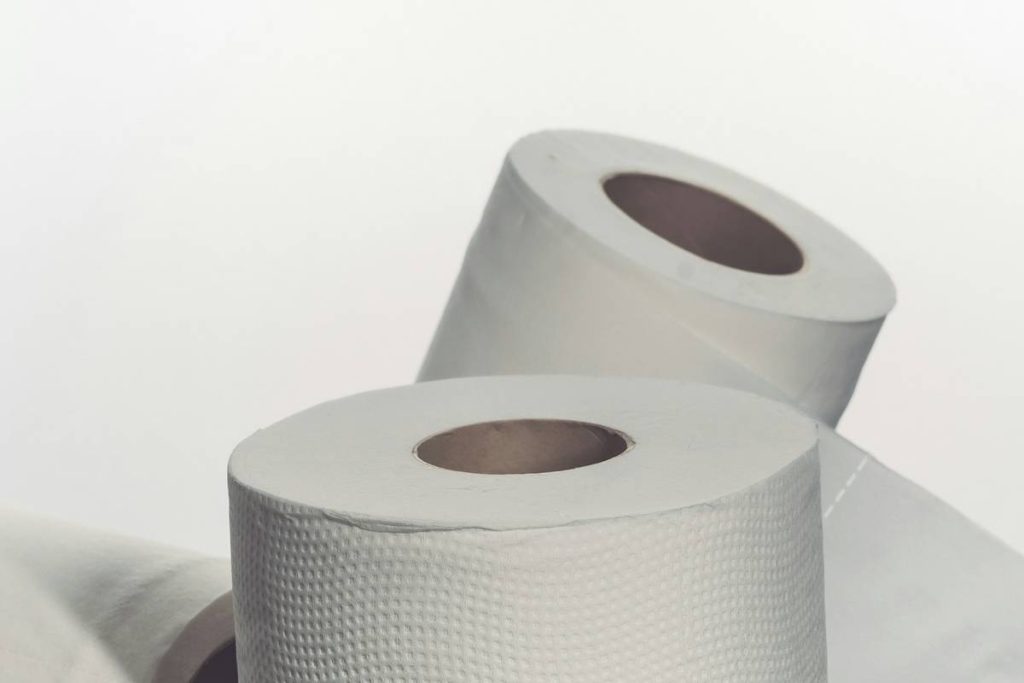
Ever flushed “eco-friendly” toilet paper only to find your septic tank gurgling like it just heard bad news? You’re not alone. Many well-meaning sustainability efforts backfire because we assume all “green” labels are created equal. In reality, understanding the advantages of biodegradable waste—especially in everyday essentials like toilet paper—can save your plumbing, your wallet, and the planet. This guide cuts through the greenwashing noise with actionable steps, real data, and hard-won lessons (yes, I’ve clogged a composting toilet myself—more on that soon). Read on to discover how small swaps yield big environmental returns.
Table of Contents
- Why Biodegradable Waste Matters in Sustainable Living
- How to Choose & Use Truly Biodegradable Toilet Paper
- Smart Habits for Maximizing Environmental Impact
- Real Results: What Happens When Cities Go Biodegradable?
- Frequently Asked Questions
Key Takeaways
- The advantages of biodegradable waste include reduced landfill burden, lower methane emissions, and safer waterways.
- Not all “biodegradable” toilet papers break down efficiently—fiber source and processing matter greatly.
- Proper disposal (composting vs. flushing) drastically alters environmental outcomes.
- Municipal programs adopting biodegradable standards see measurable reductions in solid waste volume.
Why Biodegradable Waste Matters in Sustainable Living
Conventional toilet paper may seem innocuous, but its lifecycle tells a different story. Most mainstream brands rely on virgin wood pulp, contributing to deforestation and requiring chlorine-based bleaching that pollutes water systems. Worse, when flushed or trashed, these products linger for months—or even years—in septic tanks and landfills, emitting methane, a greenhouse gas 28 times more potent than CO₂ over a century (U.S. EPA).
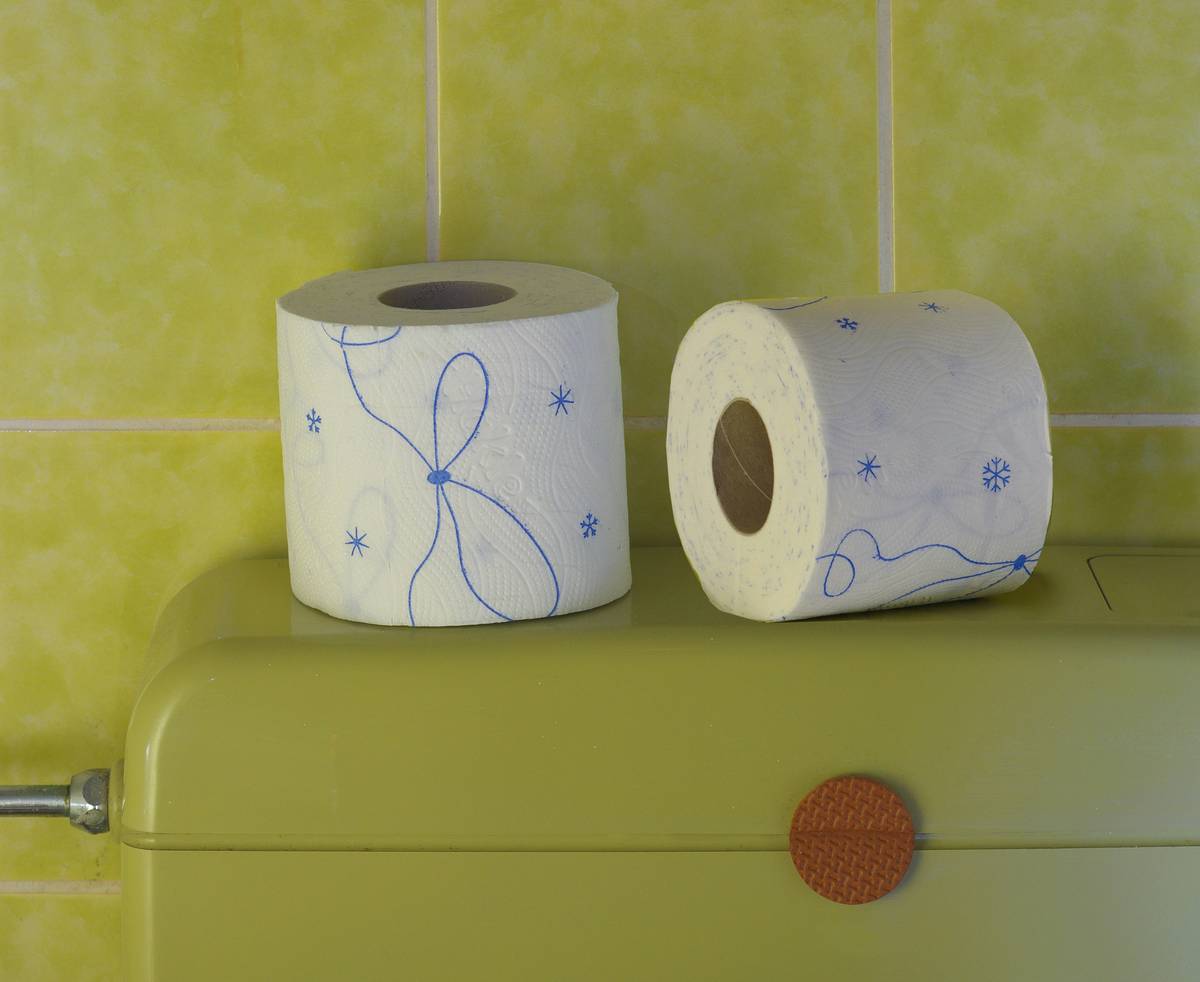
Switching to genuinely biodegradable alternatives addresses this at the source. Unlike misleading “flushable” wipes that cause costly sewer blockages (“fatbergs”), true biodegradable toilet paper decomposes rapidly in natural or controlled environments, returning nutrients without toxins. The advantages of biodegradable waste here aren’t theoretical—they’re measurable in cleaner water, healthier soils, and resilient waste infrastructure.
How to Choose & Use Truly Biodegradable Toilet Paper
Step 1: Check Fiber Source
Prioritize bamboo, hemp, or recycled content. Bamboo grows fast without pesticides and yields 30x more fiber per acre than trees. Avoid vague terms like “natural”—look for certifications like FSC or BPI.
Step 2: Verify Breakdown Claims
Many brands say “biodegradable” but don’t specify timeframes. True biodegradability means full decomposition within 90 days under composting conditions. Ask manufacturers for third-party test reports.
Step 3: Match Disposal Method to Product
If you have a septic system or composting toilet (like my ill-fated early attempt!), ensure the product is rated safe for anaerobic digestion. For municipal sewers, confirm compatibility—some thin biodegradable papers disintegrate too fast and cause user discomfort.
Smart Habits for Maximizing Environmental Impact
- Store properly: Keep rolls dry. Humidity can trigger premature breakdown.
- Avoid “terrible tip” territory: Never toss biodegradable toilet paper in regular trash if composting is an option—it defeats the purpose. If your city lacks organics collection, consider home composting (only if certified safe for human waste handling).
- Pet peeve alert: Brands slapping “eco” on packaging while using plastic wrappers. Real sustainability means plastic-free, recyclable, or compostable packaging too—otherwise, you’re just swapping one problem for another.
Real Results: What Happens When Cities Go Biodegradable?
San Francisco’s mandatory composting ordinance—which includes certified biodegradable paper products—diverts 80% of waste from landfills (SF Environment). Meanwhile, a 2023 University of Michigan study found households using verified biodegradable toilet paper reduced their personal organic waste footprint by 12% annually. On a larger scale, the advantages of biodegradable waste compound: less sludge in treatment plants, lower carbon output, and regenerated soil from compost use in urban farming. These aren’t hypotheticals—they’re documented shifts toward circular systems.
Frequently Asked Questions
Is biodegradable toilet paper safe for septic tanks?
Yes—if certified for septic use. Look for NSF P305 or similar standards ensuring rapid anaerobic breakdown without residue.
Does biodegradable mean flushable?
Not always. “Flushable” refers to pipe compatibility; “biodegradable” refers to decomposition. Always check both claims separately.
Can I compost used biodegradable toilet paper at home?
Only if your system reaches high enough temperatures to kill pathogens. Most home composts aren’t sufficient—check local regulations first.
Are the advantages of biodegradable waste worth the higher cost?
Long-term, yes. Reduced plumbing repairs, lower municipal waste fees, and environmental savings offset initial price differences.
Ready to make the switch but unsure where to start? We’ve tested dozens of brands so you don’t have to. Reach out via our Contact Us page for personalized recommendations. And if you’re curious about our mission driving this work, visit our About Us page. Your data stays protected—we never share details without consent, as outlined in our Privacy Policy.
So next time you reach for a roll, remember: what goes down must come around. Choose wisely—and let your waste become worth something.