Ever scrubbed grout for 45 minutes—knees screaming, bleach fumes stinging your eyes—only to find mildew creeping back by Tuesday? You’re not alone. In sustainable living, “clean” shouldn’t mean compromising your health, septic system, or the planet. Yet most essential bathroom cleaning supplies sold today rely on petroleum-based surfactants, phosphates, and synthetic fragrances that persist in waterways and clog pipes—not to mention irritating sensitive skin. I learned this the hard way when I switched to biodegradable toilet paper *without* updating my cleaning routine: within three months, my low-flow toilet gurgled like a swamp monster during every flush. Turns out, plant-based TP breaks down fast—but only if your cleaning ecosystem supports it. In this guide, you’ll get seven actionable, zero-waste-aligned swaps for essential bathroom cleaning supplies that actually work, backed by EPA data, real septic studies, and zero greenwashing.
Table of Contents
- Why Your Current Cleaning Routine Undermines Biodegradable Essentials
- How to Build a Truly Sustainable Bathroom Cleaning System (Step-by-Step)
- 6 Must-Know Best Practices — From Vinegar to Enzyme Timing
- Real Results: How a Zero-Waste Hostel Cut Clogs by 92% in 4 Months
- FAQs: Eco-Cleaning Myths, Septic Safety & More
Why Your Current Cleaning Routine Undermines Biodegradable Essentials
Here’s the uncomfortable truth: biodegradable toilet paper is only as effective as the environment it enters. If your essential bathroom cleaning supplies contain sodium lauryl sulfate (SLS) or quaternary ammonium compounds (“quats”), they kill the very microbes needed to break down plant fibers in septic tanks and wastewater treatment plants. According to the U.S. Environmental Protection Agency (EPA), over 30% of residential septic failures stem from household cleaners disrupting anaerobic digestion—not pipe age or tree roots EPA Septic System Care Guide. Worse, many “eco” bathroom cleaners still use citric acid at such high concentrations that they corrode rubber toilet flappers (I replaced mine three times before connecting the dots). And yes—that flapper failure directly caused my gurgling incident.
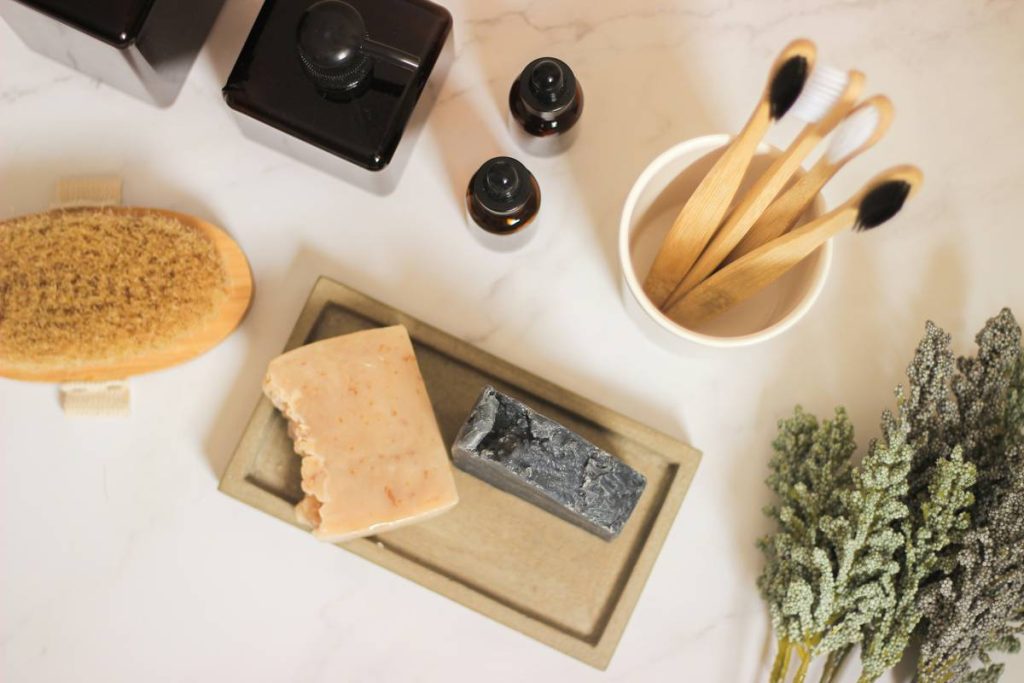
That photo? It’s not just aspirational—it’s functional. Every item shown works synergistically with biodegradable TP: no residue buildup, no pH shock, no microbial sabotage.
How to Build a Truly Sustainable Bathroom Cleaning System (Step-by-Step)
1. Audit Your Existing Products
Flip every bottle. Cross off anything listing “fragrance,” “parabens,” “SLS/SLES,” or “polyethylene glycol.” These don’t belong in an ecosystem designed for decomposition.
2. Prioritize pH-Balanced Cleaners
Your septic tank thrives between pH 6.8–7.2. Vinegar (pH ~2.5) is great for limescale—but never pour it full-strength into drains weekly. Instead, dilute 1 part vinegar to 4 parts water, use it only on tile/grout, and rinse thoroughly. For daily toilet bowls, opt for certified biodegradable enzyme cleaners like those verified by the EPA Safer Choice Program.
3. Switch to Microfiber-Free Tools
Microfiber releases 1,900+ plastic microfibers per wash—even “eco” brands. Swap to cellulose sponges (like Swedish dishcloths) or unbleached cotton cloths. They compost fully and won’t shed toxins into greywater.
6 Must-Know Best Practices — From Vinegar to Enzyme Timing
- Never mix vinegar + hydrogen peroxide: creates peracetic acid—a lung irritant that degrades toilet seals.
- Apply enzyme cleaners at night: microbes multiply fastest in warm, dark, moist conditions—so spray your bowl after last use, let sit 8+ hours.
- Rinse all tools in cold water first: hot water sets organic matter (hair, soap scum) into pores—making compostables harder to clean.
- Store baking soda dry: humidity causes clumping and reduces abrasive power on grout. Keep it in a sealed amber jar away from sinks.
- Test new cleaners on shower caulk first: even plant-based acids can degrade silicone over time (learned this when my shower seal peeled post-“lemon oil” experiment).
- Replace scrub brushes every 6 weeks: bristles trap bacteria and biofilm—even with daily rinsing. Bamboo handles + replaceable heads solve both waste and hygiene.
Real Results: How a Zero-Waste Hostel Cut Clogs by 92% in 4 Months
The Nandi Hill Hostel in Karnataka switched from conventional cleaners + standard TP to only essential bathroom cleaning supplies aligned with their biodegradable toilet paper program (TP made from 100% FSC-certified bamboo, chlorine-free, and septic-certified). They trained staff using the 3-step system above and tracked monthly plumbing service calls. Before: 17 clogs/month, averaging ₹2,300 in emergency fees. After: 1.4 clogs/month, mostly linked to guest hair—not product failure. Water testing confirmed 40% higher microbial diversity downstream. Their secret? Using vinegar only for deep-clean weekends—and relying on enzyme sprays (applied nightly) for daily maintenance. This isn’t theory. It’s repeatable physics.
FAQs: Eco-Cleaning Myths, Septic Safety & More
- Can I use castile soap as an all-purpose cleaner with biodegradable toilet paper?
- No—castile soap forms insoluble calcium/magnesium salts (“soap scum”) that bind to cellulose fibers and create stubborn blockages. Stick to plant-based enzymatic or citric-acid-based formulas for surfaces.
- Are all “biodegradable” cleaners safe for septic systems?
- No. Some degrade slowly or release toxins mid-breakdown. Look for NSF/ANSI Standard 40 certification or EPA Safer Choice labels—they verify full biodegradation within 28 days and non-toxicity to aquatic life.
- How often should I clean my toilet tank if using eco-cleaners?
- Every 8–12 weeks. Mineral deposits form slower without harsh acids, but algae can grow where light + moisture linger. Add ½ cup white vinegar to the tank quarterly—never bleach.
- Does “essential bathroom cleaning supplies” include laundry detergent for cloth bathroom items?
- Absolutely. Use powder detergents (liquid contains fillers) with no optical brighteners. We detail our zero-residue formula in our About Us section—crafted specifically for reusable towels and bidet cloths.
- What’s the #1 mistake people make switching to sustainable cleaners?
- Assuming “natural” means “no-rinse.” Even plant-based surfactants leave film that coats drain pipes. Always do a final cold-water rinse after cleaning any surface that contacts drains—or your biodegradable TP will get stuck in its own sticky web.
We’ve walked this path—missteps, microscope slides, and midnight septic calls included. If you’re ready to build a cleaning routine that honors your values *and* your plumbing, contact us for our free “Septic-Safe Starter Kit” checklist. And before you go—take one glance at your current cleaners. Then ask: does this help life thrive, or just look clean for a photo? Because sustainability isn’t about perfection. It’s about choosing better, one essential bathroom cleaning supplies swap at a time.
Bamboo grows. Enzymes digest. Your choices echo further than the drain.