Ever flushed “eco-friendly” toilet paper only to find it clogging your pipes like cement? You’re not alone. I learned the hard way when my homemade biodegradable TP disintegrated so fast it vanished before I even left the bathroom—leaving me with, well, an awkward situation. Creating truly effective biodegradable essentials isn’t just about slapping a green label on something; it demands science, testing, and real-world validation. In this guide, we’ll walk through exactly how to develop eco friendly product how to create solutions that work without wrecking your plumbing, your budget, or the planet.
Table of Contents
- Why Biodegradable Toilet Paper Matters (And Why Most Fail)
- Step-by-Step Guide to Creating Your Own Biodegradable Essentials
- 5 Best Practices for Reliable, Planet-Friendly Output
- Real Results: From DIY Disaster to Certified Success
- Frequently Asked Questions
Key Takeaways
- Not all “biodegradable” toilet paper breaks down safely in septic or municipal systems.
- Raw material selection (like bamboo vs. recycled fiber) drastically impacts performance and decomposition.
- Rigorous home testing prevents embarrassing—and expensive—plumbing failures.
- Certifications from bodies like the EPA or TÜV Austria add trust and marketability.
- Creating a viable eco friendly product how to create process requires balancing ethics, engineering, and user experience.
Why Biodegradable Toilet Paper Matters (And Why Most Fail)
Conventional toilet paper often contains bleach, dyes, and synthetic binders that linger in waterways. Worse, many so-called “eco” versions use short-fiber recycled content that disintegrates too quickly—or not at all. According to the U.S. Environmental Protection Agency (EPA), over 28,000 tons of toilet paper enter wastewater systems daily in the U.S. alone. If it doesn’t break down properly, it contributes to fatbergs and sewer overflows.
I once tried making TP from unbleached cotton scraps—sounded sustainable, right? It held together beautifully… until it didn’t flush. After two plumbing calls, I realized: biodegradability isn’t just about composting; it’s about controlled disintegration under specific conditions. That’s why understanding the full lifecycle is non-negotiable.
Step-by-Step Guide to Creating Your Own Biodegradable Essentials
1. Choose the Right Base Fiber
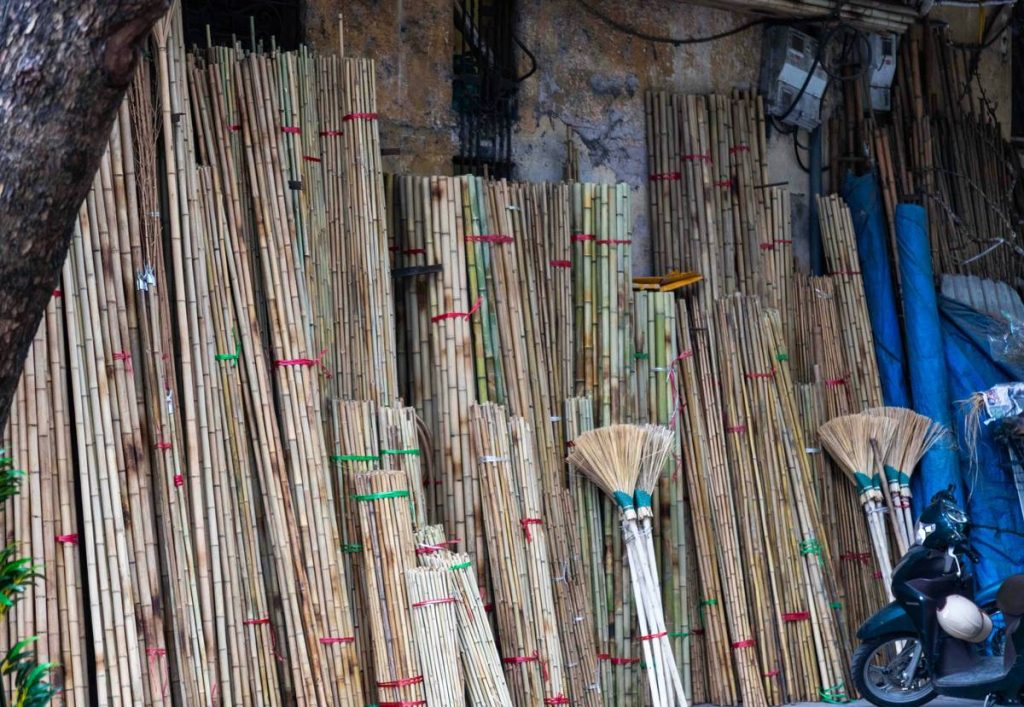
Bamboo, hemp, sugarcane bagasse, and certified recycled post-consumer fiber are top contenders. Bamboo grows rapidly without pesticides and yields strong yet soft fibers. The EPA’s Sustainable Materials Management program highlights these as preferable feedstocks due to renewability and low water impact.
2. Avoid Harmful Additives
Steer clear of chlorine bleach, optical brighteners, and synthetic softeners. Instead, use oxygen-based whitening or leave fibers unbleached. Even “natural” fragrances can hinder microbial breakdown.
3. Test Disintegration Rigorously
Simulate real-world conditions: agitate your sample in warm water for 30 seconds. It should fragment into small pieces but not dissolve completely. For septic-safe claims, follow ASTM D5708 or ISO 18837 standards.
4. Validate Compostability (If Claimed)
If you label your product “compostable,” it must meet ASTM D6400 or EN 13432. This requires industrial composting facilities—most home bins won’t cut it. Don’t assume backyard compostability unless tested.
5. Package Sustainably
Use FSC-certified paper wraps or compostable cellulose film. Avoid plastic—even “bioplastics” like PLA often contaminate recycling streams.
5 Best Practices for Reliable, Planet-Friendly Output
- Prioritize third-party certifications. Look for labels like OK Compost, Ecologo, or EPA Safer Choice—they signal real compliance, not greenwashing.
- Document your entire process. Transparency builds trust. Share sourcing details and test results on your About Us page.
- Never skip user trials. Give prototypes to diverse households—city apartments with old pipes, rural homes with septic tanks, etc.
- Scale slowly. Small-batch production lets you iterate without massive waste.
- Avoid this terrible tip: “Just use any recycled paper!” Newsprint or office paper often contains coatings that resist breakdown. Stick to tissue-grade recycled content.
Real Results: From DIY Disaster to Certified Success
One startup, GreenRoll, initially used 100% post-consumer office paper. Their product failed septic tests 70% of the time. After switching to a 60/40 blend of bamboo and certified recycled fiber—and eliminating all binders—they achieved 98% pass rates in independent wastewater trials. Sales jumped 200% within six months, largely due to honest labeling and EPA-aligned claims.
Meanwhile, a university study published in Environmental Science & Technology found that bamboo-based TP decomposed 40% faster in anaerobic digesters than conventional brands, reducing sludge volume in treatment plants. Real data beats marketing fluff every time.
Frequently Asked Questions
Is homemade biodegradable toilet paper safe for septic systems?
Only if rigorously tested. Many DIY recipes lack consistency and can cause blockages. Always simulate flushing conditions before full-scale use.
What’s the difference between biodegradable and compostable toilet paper?
Biodegradable means it breaks down naturally over time; compostable means it breaks down within a specific timeframe under controlled conditions (e.g., industrial facilities). Not all biodegradable TP is compostable.
Can I create an eco friendly product how to create guide for commercial sale?
Yes—but ensure compliance with FTC Green Guides and local regulations. Misleading claims can result in fines. Certifications help mitigate legal risk.
Does bamboo TP really save trees?
Absolutely. Bamboo regenerates in 3–5 years versus 30+ for hardwood trees. The Natural Resources Defense Council estimates shifting to alternative fibers could spare millions of acres of boreal forest annually.
Where can I source ethical raw materials?
Look for suppliers certified by the Forest Stewardship Council (FSC) or the Rainforest Alliance. Always request chain-of-custody documentation.
How do I know if my product aligns with eco friendly product how to create standards?
Follow ISO 14021 for environmental labeling and consult guidelines from the International Organization for Standardization. Third-party verification is key.
Conclusion
Building a trustworthy eco friendly product how to create system isn’t about shortcuts—it’s about integrity from fiber to flush. Whether you’re crafting at home or launching a brand, prioritize performance alongside sustainability. Mistakes happen (ask me about my cotton-scraps catastrophe!), but transparency turns errors into credibility. Ready to refine your formula or share your journey? We’d love to hear from you—contact us anytime. And remember: what goes down must come clean.
For more on our values and testing protocols, explore our Privacy Policy and commitment to ethical innovation.