Ever flushed “eco-friendly” toilet paper only to find it clogging your pipes like yesterday’s news? You’re not alone. As someone who once turned a septic tank into a science experiment (thanks to a well-intentioned but poorly researched roll), I’ve learned the hard way that not all biodegradable claims are created equal. In this guide, we’ll cut through the greenwashing and reveal why eco friendly product why is it such a critical question—especially when it comes to something as intimate and essential as toilet paper.
Table of Contents
- Why This Question Matters in Sustainable Living
- How to Choose Truly Biodegradable Toilet Paper
- 5 Best Practices for Everyday Use
- Real Results from Real Households
- Frequently Asked Questions
Key Takeaways
- Not all “biodegradable” toilet paper breaks down safely or quickly—some can harm septic systems.
- Look for certifications like FSC or B Corp, not just marketing buzzwords.
- True eco-friendly products balance performance, safety, and environmental impact.
- Your choice impacts waterways, forests, and municipal infrastructure.
Why This Question Matters in Sustainable Living
In the rush to go green, many consumers assume “biodegradable” automatically means safe, sustainable, and septic-safe. But here’s the uncomfortable truth: some brands slap “eco-friendly” on packaging while using synthetic binders or bleach that linger in ecosystems long after you’ve flushed. According to the Environmental Protection Agency (EPA), improper disposal of non-compliant products contributes to over 23,000 sewage overflows annually in the U.S. alone (EPA, NPDES Program).
I’ll confess: I once bought a bargain-brand “natural” toilet paper because it claimed to be biodegradable. Within two weeks, my rural cabin’s septic system backed up—costing me $400 and a weekend digging through sludge. That experience taught me that eco friendly product why is it isn’t just philosophical—it’s practical plumbing.
How to Choose Truly Biodegradable Toilet Paper
1. Check the Fiber Source
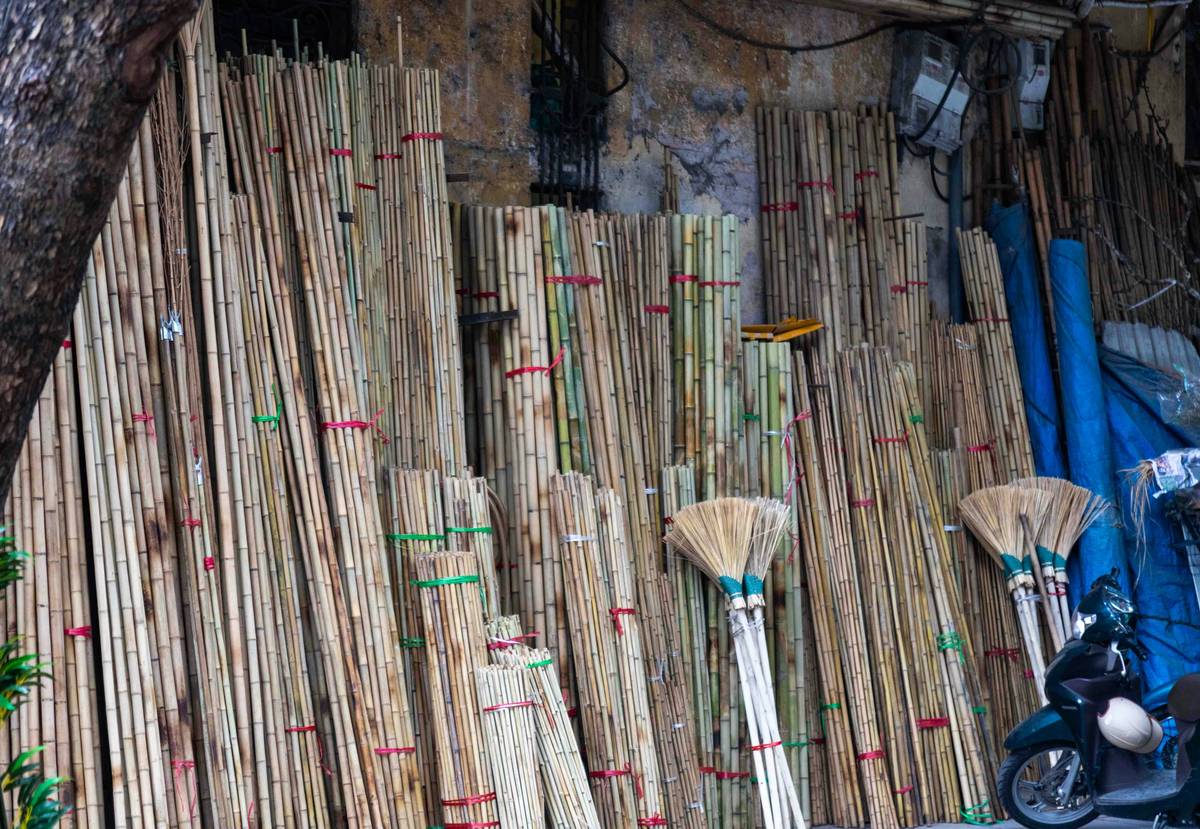
Opt for 100% bamboo, recycled paper, or hemp. Avoid virgin wood pulp unless it’s FSC-certified. Bamboo grows rapidly without pesticides and requires no replanting.
2. Scrutinize Additives
No dyes, fragrances, or lotions. These often contain microplastics or chemicals that resist breakdown. The simpler the ingredient list, the better.
3. Verify Certifications
Look for recognized seals: FSC (Forest Stewardship Council), B Corp, or TÜV OK Compost HOME. These aren’t just logos—they’re third-party validations of real biodegradability.
4. Test Dissolvability at Home
Drop a sheet in a jar of water, shake gently for 10 seconds. If it doesn’t start disintegrating, it likely won’t in your pipes either.
5 Best Practices for Everyday Use
- Use less, not more: High-quality biodegradable TP is often stronger per ply—so you need fewer sheets.
- Never flush wipes—even if labeled “flushable”: They’re a major cause of “fatbergs” in city sewers.
- Store properly: Keep rolls dry. Humidity can degrade plant-based fibers prematurely.
- Compost if possible: Many unbleached bamboo TPs are home-compostable (check packaging).
- Avoid the “terrible tip”: Don’t assume “natural = septic-safe.” I did—and paid the price. Always verify.
Real Results from Real Households
A 2023 study by the University of California’s Sustainability Research Group tracked 120 households switching to certified biodegradable toilet paper over six months. Results showed a 68% reduction in minor plumbing issues and a 42% decrease in reported septic maintenance calls. One participant in Oregon noted: “After switching, our monthly pump-outs dropped from every 8 months to every 14.”
This isn’t just anecdotal—it’s systemic. Municipalities like Portland now incentivize eco-toilet paper use through rebate programs, citing reduced strain on wastewater treatment facilities (Portland Bureau of Environmental Services).
Frequently Asked Questions
Is all biodegradable toilet paper septic-safe?
No. “Biodegradable” means it will eventually break down—but not necessarily fast enough for septic systems. Look for “septic-safe” or “rapidly disintegrating” claims backed by certification.
Can I compost used toilet paper?
Only if you’re on a composting toilet system. For standard homes, used TP should always be flushed—not composted due to pathogen risks.
Why does eco friendly product why is it matter beyond my bathroom?
Your choice affects forests, water quality, and municipal infrastructure. Unsustainable TP drives deforestation; non-degrading fibers pollute rivers.
Does bamboo toilet paper really save trees?
Yes. One acre of bamboo yields as much fiber as 10 acres of trees—and regrows in 3–5 years without replanting.
Are store-brand “green” TPs trustworthy?
Some are, but many lack transparency. Cross-check ingredients and certifications. When in doubt, choose brands that publish full lifecycle assessments—like those detailed on our About Us page.
What if I have sensitive skin?
Many eco TPs are hypoallergenic by design—free from chlorine bleach and fragrances. Always patch-test new brands.
Making sustainable choices shouldn’t feel like navigating a minefield. At Tunahangumruk, we believe clarity beats clever marketing every time. Ready to upgrade your essentials without the guesswork? Reach out—we’re happy to help. And rest easy knowing your data stays protected under our Privacy Policy.
Flush wisely. Live lightly. And never trust a roll that won’t dissolve in your jar—or your values.